

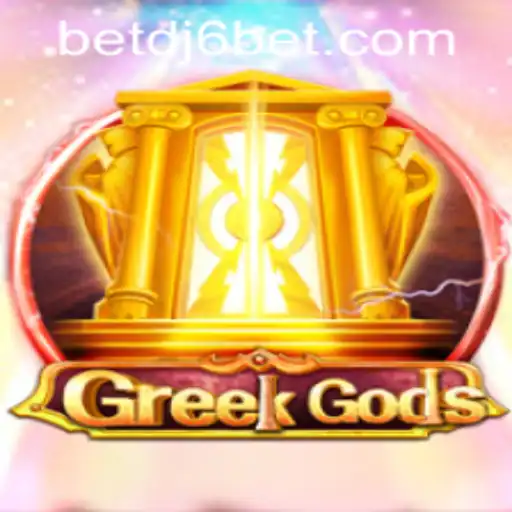
Explore the thrilling depths of GreekGods, an engaging game that blends mythology with modern gaming experiences. Learn about the game's captivating storyline and how current events shape its landscape.
Unveiling the Magic of GreekGods: An In-Depth Look
GreekGods is an innovative gaming experience that captures the imagination with its rich narrative and enthralling gameplay. In a world where ancient mythology meets modern gaming, GreekGods stands out as a beacon of creativity and excitement. This article will explore everything from the game's stunning design to its intricate rules and how it resonates with current global events.
An Immersive Introduction
Stepping into the universe of GreekGods is like entering a parallel dimension where the legends of ancient Greece come alive. The game's design draws heavily on classical mythology, integrating iconic figures like Zeus, Athena, and Apollo into its dynamic environment. Players are invited to assume the roles of these mythical deities, using their unique abilities and strategic prowess to navigate a world filled with adventure and mystery.
The Storyline: A Modern Myth
The narrative of GreekGods is built around a modern retelling of ancient myths. Players find themselves in a time when the gods have descended from Mount Olympus to address a cosmic imbalance affecting both the mortal and divine realms. This premise sets the stage for epic battles, divine alliances, and quests that will determine the fate of both worlds.
The game's story is not just about grand battles and heroic deeds; it also delves into themes of power, betrayal, and redemption, mirroring today’s global dynamics. As countries deal with conflicts and seek peace, GreekGods reflects these complexities, offering players a chance to engage with themes that resonate on a human level.
Gameplay and Rules: The Path of the Gods
GreekGods offers a blend of strategy and action, requiring players to harness the powers of their chosen deity while making critical decisions that influence the game's outcome. Below are the core aspects of the game:
Choosing Your Deity
The journey begins with choosing from a pantheon of gods and goddesses, each with distinct skills and advantages. From the thunderous might of Zeus to the wisdom of Athena, players must choose wisely to complement their gaming style.
Quests and Challenges
Players embark on a series of quests, each designed to test their strategic thinking and combat skills. These challenges range from rescuing mythical creatures to uncovering ancient relics. The outcome of each quest can alter the balance of power, affecting future gameplay.
The Role of Alliances
Forming alliances with other players is a critical component of success. Collaboration allows for pooling resources and overcoming formidable opponents. However, players must navigate the politics of these alliances carefully, as betrayal could come at any moment.
GreekGods and Current Events
The influence of current global events on GreekGods is profound. The game's developers actively incorporate real-world issues into the narrative and gameplay mechanics. For example, the theme of environmental restoration is prevalent in the game, reflecting the growing global awareness and efforts towards sustainability.
Moreover, players often find themselves engaging in quests that mirror significant current events, such as diplomatic negotiations and peacekeeping missions. This engagement not only enriches the narrative but also offers players a deeper understanding of global issues through the lens of mythology and fantasy.
The World Beyond Gaming
In GreekGods, the line between game and reality blurs, making each decision impactful beyond the virtual realm. As players immerse themselves in a world rooted in ancient myths yet reflective of contemporary challenges, they gain insights into leadership, strategy, and the complexities of human nature.
Ultimately, GreekGods is more than just a game; it's a journey into the heart of mythology, a reflection of today's world, and a bridge to understanding the stories that shape our collective consciousness.


0 Comments